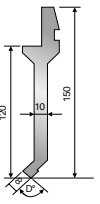
Straight punches
General-purpose profiles for common air-bending work, selected by angle, tip radius, height and load rating.
Press brake tooling explained
Punch profile, die opening, clamping and alignment determine bend radius, force, setup time and part quality. BENDRYX and Machinists Vault can configure new tooling or safely adapt compatible tools already in your shop.
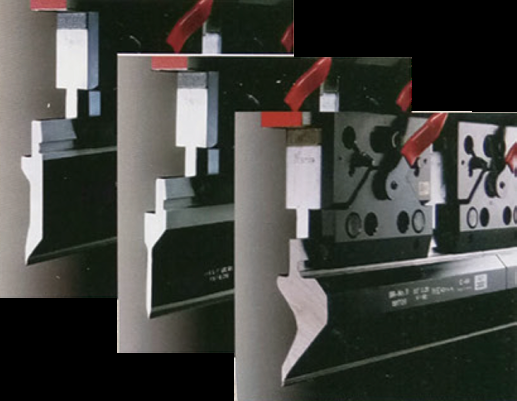
Tooling fundamentals
The correct combination depends on material thickness, desired inside radius, flange length, bend angle and available machine force.
General-purpose profiles for common air-bending work, selected by angle, tip radius, height and load rating.
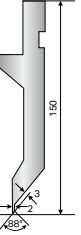
Relieved geometry provides clearance for return flanges, channels and previously formed features.
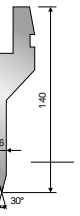
Narrow or acute punches support smaller angles, hems and application-specific formed geometry.
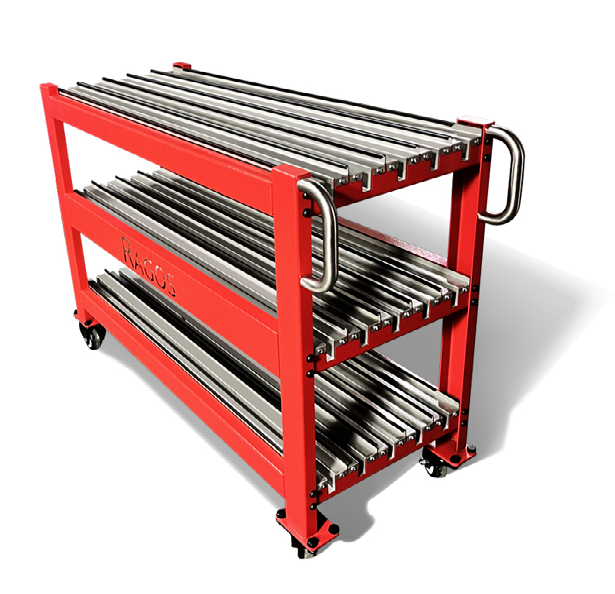
V-opening selection
In air bending, a larger V-opening generally produces a larger inside radius and reduces required force. A smaller opening creates a tighter radius but raises tonnage and may limit minimum flange length.
Clamping systems
The clamping interface secures tooling, establishes alignment and determines how quickly operators can change a setup.
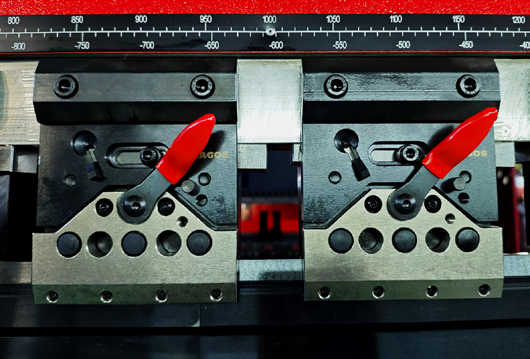
A straightforward solution for lower change frequency and controlled tooling budgets.
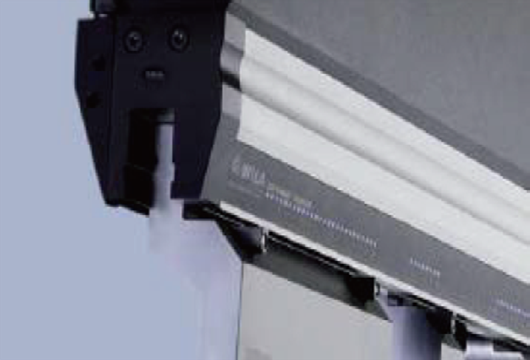
Fast, even clamping pressure supports frequent changes and consistent tool seating.
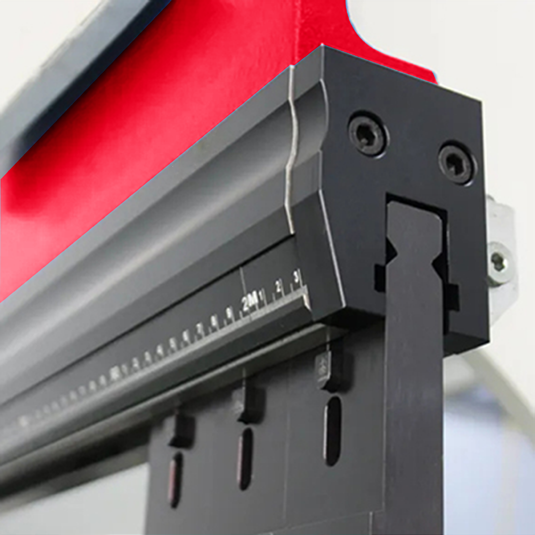
Supports high-mix production and automated tool-change strategies where setup time drives output.

Adapters and safety clamps
Replacing every tool is not always necessary. Machinists Vault can review the tooling already on your floor and engineer suitable adapters or safety-clamp solutions for a new BENDRYX installation.
Selection checklist
Identify grade, thickness, strength, grain direction and surface requirements.
Review angle, inside radius, flange length, return flanges and collision risks.
Choose air bending, bottoming, coining or staged forming as appropriate.
Calculate force and confirm punch, die, clamp and machine capacity.
Match segmentation, clamping and storage to the production mix.
Tooling questions
Often yes, subject to style, dimensions, load rating and condition. Machinists Vault can review compatible tools and specify adapters or safety clamps.
In air bending, the inside radius is influenced by the die opening and material behavior. A larger opening generally produces a larger radius.
Hydraulic clamping is valuable when tools change frequently, setup time is critical or consistent seating across long tools is required.
Segmented tools let operators build the required working length, create clearance and handle sections more safely during setup.